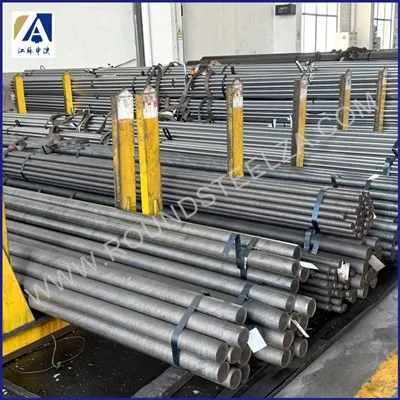
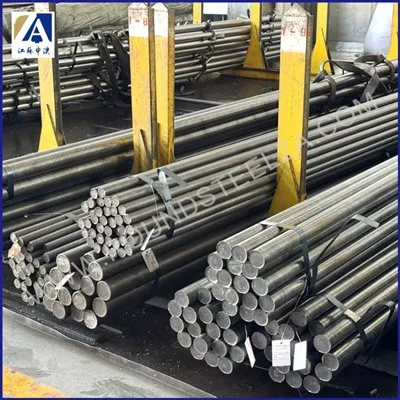
Why Are Mild Steel Round Engineering Bars the Versatile Performer in Engineering
Jan 22, 2026
In the vast landscape of industrial manufacturing and construction, selecting the right material is the cornerstone of project success. Among the myriad of steel options available, Mild Steel Round Engineering Bars stand out as a fundamental choice for engineers and fabricators worldwide. Often referred to as low carbon steel, these bars are celebrated for their unique balance of physical properties and economic efficiency.
But what exactly makes them the go-to solution for so many industries? Let's delve into the characteristics that define this "versatile performer."
The Core Advantages of Carbon Steel Engineering Bars
When evaluating materials for engineering projects, decision-makers often look for a sweet spot between performance and cost. Mild Steel Round Bars hit this mark perfectly. Here is why they are indispensable:
1.Unmatched Cost-Effectiveness
One of the primary drivers for the widespread use of Mild Steel Round Engineering Bars is their affordability. Compared to high-carbon steels or stainless steel, mild steel offers a lower price point without sacrificing essential structural integrity. For large-scale projects where tonnage matters, the advantages of mild steel in terms of budget allocation are significant, allowing for robust construction without breaking the bank.
2.Superior Machinability and Weldability
From a fabrication standpoint, Carbon Steel Engineering Bars are a dream to work with. Their low carbon content (typically 0.05% to 0.25%) imparts excellent ductility and malleability.
- Welding: They can be welded easily without the risk of brittleness often associated with high-carbon variants.
- Forming: These bars can be bent, cut, and shaped into complex geometries, making them ideal for custom mechanical parts.
- Machining: While softer than alloy steels, they offer consistent machining characteristics, ensuring precision in manufacturing.
3.Versatile Applications Across Industries
The adaptability of Mild Steel Round Bars allows them to serve in a multitude of roles. Whether it is for general construction, automotive components, or heavy machinery, these bars provide the necessary tensile strength and yield strength. Common applications include:
- Construction: Used as reinforcement bars (rebars) and structural supports due to their ability to absorb energy during seismic events.
- Automotive: Manufacturing of chassis components, shafts, and gears.
- General Engineering: Production of bolts, nuts, and fasteners.
Technical Comparison: Mild Steel vs. High-Strength Steel
To truly understand the advantages of mild steel, it is helpful to compare it with high-strength alternatives. While high-strength steel excels in extreme load-bearing scenarios, mild steel offers a more balanced profile for general engineering.
| Feature | Mild Steel Round Engineering Bars | High-Strength / Alloy Steel |
|---|---|---|
| Carbon Content | Low (0.05% - 0.25%) | High (> 0.30%) |
| Ductility | High (Excellent for forming) | Lower (More brittle) |
| Weldability | Excellent | Requires pre-heating/care |
| Cost | Economical | Higher due to alloys |
| Primary Use | General structures, shafts, fasteners | Heavy machinery, high-stress parts |
Selection Guide: Choosing the Right Specifications
Selecting the correct Mild Steel Round Bars involves more than just picking a diameter. Engineers must consider several factors to ensure the material meets the project's demands:
- Diameter and Tolerance: Precision is key. Whether you need a standard Φ20mm bar or a larger Φ100mm bar for heavy shafts, ensure the supplier adheres to international standards (such as ASTM or DIN) regarding dimensional tolerance.
- Surface Finish: Depending on the application, you might require a hot-rolled finish (for structural use) or a cold-drawn finish (for precision machining and smoother surfaces).
- Grade Selection: While "mild steel" is a general term, specific grades (like Q235, A36, or S235JR) offer slightly different yield strengths. Always verify the grade against your load-bearing requirements.
Conclusion
In summary, Mild Steel Round Engineering Bars represent the backbone of modern engineering. Their combination of ductility, weldability, and cost-efficiency makes them the "versatile performer" that few other materials can rival. Whether you are constructing a high-rise building or manufacturing precision automotive parts, understanding the advantages of mild steel ensures you make the right choice for durability and performance.