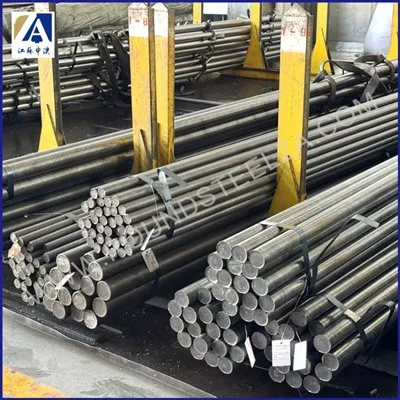
How to avoid surface damage of Bright Steel Round Bar
Jun 09, 2026
The pristine, flawless finish of Bright Steel Round Bar is its most valuable asset. Whether peeled, ground, or polished, this material is specifically engineered for precision machining, automotive components, and high-end manufacturing. However, the very surface that makes it desirable is also highly susceptible to scratches, dents, and corrosion.
If you are a manufacturer or supplier, preventing surface defects is critical to maintaining product quality and reducing costly waste. In this guide, we will explore actionable strategies on how to avoid surface damage of Bright Steel Round Bar throughout the entire handling, transportation, and storage lifecycle.
1. Optimize Lifting and Rigging Practices
Physical abrasion is one of the leading causes of surface damage. The way you lift and move Bright Steel Round Bar in the warehouse or factory floor sets the foundation for its surface integrity.
- Use Protective Slings: Never use bare steel chains, wire ropes, or uncoated hooks to lift Bright Steel Round Bar. Always utilize nylon slings, canvas straps, or chains with heavy-duty polyurethane sleeves.
- Avoid Dragging: Dragging bars across each other or the floor is a guaranteed way to cause deep scratches. Always lift the material completely off the ground before moving it.
- Even Weight Distribution: When lifting bundles of Bright Steel Round Bar, ensure the lifting points are spaced correctly to prevent the bars from bending or slipping against one another during transit.
2. Implement Safe Stacking and Separation
Improper stacking can lead to crushing, bending, and inter-bar friction, all of which ruin the bright finish.
- Never Stack Directly on the Floor: Always elevate Bright Steel Round Bar on wooden sleepers, rubber mats, or specialized plastic pallets. This prevents moisture wicking and protects the bottom layer from debris.
- Use Protective Interleaving: When stacking round bars, place wooden battens, rubber strips, or protective paper between the layers. This prevents the metal-to-metal contact that causes friction marks and micro-scratches.
- Maintain Safe Heights: Keep manual stacking heights under 1.2 meters and mechanical stacking under 1.5 meters to prevent the weight from deforming the bottom bars and damaging their surfaces.
3. Preserve Factory Packaging and Coatings
Manufacturers often apply protective measures to Bright Steel Round Bar before it leaves the mill. Preserving these layers is the easiest way to prevent damage.
- Keep Protective Wrapping Intact: Leave plastic wrapping, oiled paper, or protective caps on the ends of the bars until the material is ready to be fed into the CNC machine or lathe.
- Apply Anti-Rust Oil: If the original packaging is removed for inspection or processing, apply a thin, even layer of anti-rust oil or VCI (Vapor Corrosion Inhibitor) spray to the exposed Bright Steel Round Bar to prevent oxidation and surface pitting.
- Avoid Bare-Hand Contact: The natural oils and acids on human skin can leave fingerprints that eventually lead to localized corrosion. Wear clean cotton or nylon gloves when handling bare Bright Steel Round Bar.
4. Control the Storage Environment
Chemical and environmental damage can be just as destructive as physical scratches.
- Strict Indoor Storage: Bright Steel Round Bar must be stored in a dry, well-ventilated indoor warehouse. Exposure to rain, snow, or high humidity will rapidly compromise the bright finish.
- Isolate from Corrosives: Never store Bright Steel Round Bar in the same facility or aisle as cement, lime, acids, alkalis, or salts. Corrosive vapors can chemically etch the polished surface.
- First-In, First-Out (FIFO): Minimize the time the material spends in storage by strictly adhering to the FIFO inventory method. The longer Bright Steel Round Bar sits, the higher the risk of environmental surface degradation.
Conclusion
Avoiding surface damage of Bright Steel Round Bar requires a combination of proper rigging, careful stacking, protective packaging, and strict environmental control. By treating the bright finish as a critical tolerance rather than just a cosmetic feature, manufacturers can ensure flawless machining and superior end products.