

What is the micro - structure of cold drawn round steel and how does it affect properties?
Dec 17, 2025
Yo! I'm a supplier of cold drawn round steel, and I've been in this business for quite a while. Today, I wanna chat about the micro - structure of cold drawn round steel and how it impacts its properties.
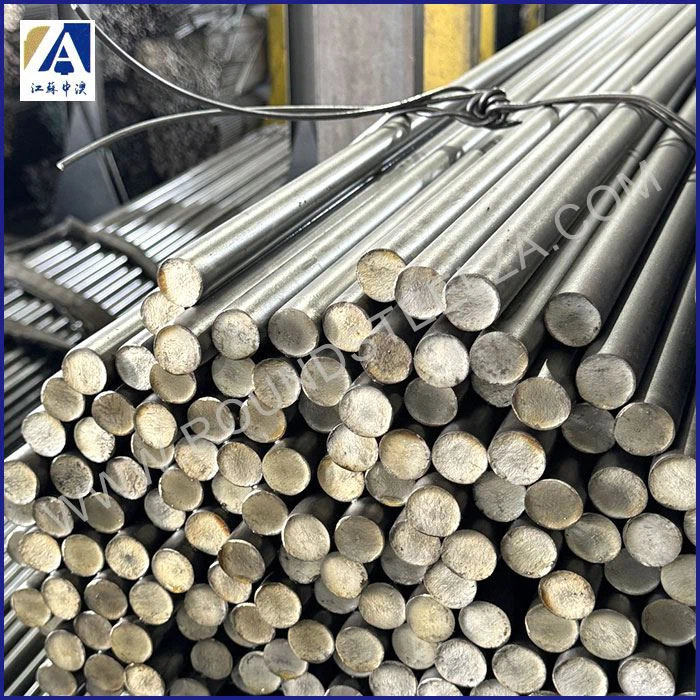
Let's start with what cold drawn round steel is. It's a type of steel that goes through a cold drawing process. In this process, the steel is pulled through a die at room temperature. This not only gives the steel its round shape but also modifies its internal micro - structure, which in turn affects its mechanical and physical properties.
The Micro - structure of Cold Drawn Round Steel
Grain Structure
The grain structure is a key part of the micro - structure of cold drawn round steel. Before the cold drawing process, the grains in the steel are relatively large and randomly oriented. But as the steel is drawn through the die, these grains start to deform. They get elongated in the direction of the drawing, becoming more aligned.
This change in grain structure is super important. Elongated and aligned grains increase the strength of the steel. You can think of it like a bundle of sticks. When the sticks are all jumbled up, they're easy to break. But when they're lined up neatly, it's much harder to snap them. In the same way, the aligned grains in cold drawn round steel make it more resistant to deformation and fracture.
Dislocation Density
Another important aspect of the micro - structure is the dislocation density. Dislocations are like defects in the crystal lattice of the steel. During the cold drawing process, the deformation causes a large number of dislocations to form. These dislocations interact with each other, making it difficult for them to move.
When dislocations can't move easily, it means the steel becomes stronger. It's like trying to move through a crowded room. If there are only a few people, you can move around freely. But if the room is packed, it's really hard to get anywhere. In cold drawn round steel, the high dislocation density acts as a barrier to further deformation, increasing its strength.
Precipitation
In some cold drawn round steels, precipitation can also occur. Precipitates are small particles of a different phase that form within the steel. For example, in steels with certain alloying elements, like chromium or nickel, these elements can combine with carbon to form carbides.
These precipitates can have a big impact on the properties of the steel. They can act as pinning points for dislocations, further increasing the strength of the steel. They can also improve the hardness and wear resistance of the steel.
How the Micro - structure Affects Properties
Strength
As I mentioned earlier, the changes in grain structure, dislocation density, and precipitation all contribute to the increased strength of cold drawn round steel. The aligned grains and high dislocation density make it harder for the steel to deform under stress. This is why cold drawn round steel is often used in applications where high strength is required, like in construction, automotive parts, and machinery manufacturing.
For instance, 1215 Cold Drawn Round Bar has a great strength - to - weight ratio due to its optimized micro - structure. It's a popular choice for making precision parts that need to withstand high loads.
Ductility
While cold drawing generally increases the strength of the steel, it can also reduce its ductility. Ductility is the ability of a material to deform plastically before fracturing. The elongated grains and high dislocation density make it more difficult for the steel to deform in a ductile manner.
But don't worry, manufacturers can control the cold drawing process to balance strength and ductility. By adjusting the drawing speed, reduction ratio, and post - drawing heat treatment, they can produce cold drawn round steel with the desired combination of strength and ductility.
Toughness
Toughness is the ability of a material to absorb energy and resist fracture. The micro - structure of cold drawn round steel can have a significant impact on its toughness. The presence of fine grains and well - distributed precipitates can improve the toughness of the steel.
On the other hand, if the dislocation density is too high or the grains are too elongated, it can lead to a decrease in toughness. So, it's all about finding the right balance in the micro - structure.
Machinability
Machinability refers to how easily a material can be machined using cutting tools. The micro - structure of cold drawn round steel affects its machinability. For example, if the steel has a uniform grain structure and lower dislocation density, it's generally easier to machine.
The SAE 1045 Carbon Steel Round Bar is known for its good machinability. The proper micro - structure of this steel allows for efficient cutting, reducing tool wear and improving the surface finish of the machined parts.
Different Types of Cold Drawn Round Steel Based on Micro - structure
There are various types of cold drawn round steel, each with a unique micro - structure and set of properties.
Low - Carbon Cold Drawn Round Steel
Low - carbon steels have a relatively simple micro - structure. They mainly consist of ferrite grains. After cold drawing, the ferrite grains get elongated, increasing the strength of the steel. These steels are often used in applications where good ductility and weldability are required, such as in wire manufacturing and automotive body parts.

Medium - Carbon Cold Drawn Round Steel
Medium - carbon steels have a more complex micro - structure. They contain a combination of ferrite and pearlite. Cold drawing can refine the pearlite and align the ferrite grains, resulting in increased strength and hardness. The SAE 1045 Carbon Steel Round Bar is a typical medium - carbon cold drawn round steel. It's widely used in shafts, gears, and other mechanical components.
High - Carbon Cold Drawn Round Steel
High - carbon steels have a high carbon content, which leads to the formation of more carbide particles. Cold drawing can further refine the carbides and align the grain structure. These steels are known for their high hardness and wear resistance. The High Carbon Chromium Steel Rod is a great example. It's commonly used in cutting tools, bearings, and springs.
Why Choose Our Cold Drawn Round Steel
As a supplier, I can tell you that our cold drawn round steel stands out. We have strict quality control measures in place to ensure that the micro - structure of our steel is just right. We carefully control the cold drawing process parameters to get the best combination of strength, ductility, toughness, and machinability.
Whether you need low - carbon, medium - carbon, or high - carbon cold drawn round steel, we've got you covered. Our products are used in a wide range of industries, and we have a great reputation for providing high - quality steel at competitive prices.
If you're looking to buy cold drawn round steel, we'd love to have a chat with you. We can help you choose the right type of steel for your specific application and answer any questions you might have. So, don't hesitate to reach out and start a procurement discussion with us!
References
- Smith, J. (2018). Steel Micro - structure and Properties. Metallurgy Press.
- Johnson, A. (2019). Cold Working of Metals. Materials Science Journal.