

How to ensure the uniformity of induction hardening in cold drawn bearing steel?
Oct 14, 2026
Hey there! As a supplier of cold drawn bearing steel, I've been getting a lot of questions lately about how to ensure the uniformity of induction hardening in cold drawn bearing steel. So, I thought I'd share some insights based on my experience in the industry.
Understanding Induction Hardening in Cold Drawn Bearing Steel
First things first, let's talk a bit about induction hardening. It's a heat treatment process that uses electromagnetic induction to heat the surface of the steel, followed by rapid quenching to harden it. This is crucial for cold drawn bearing steel because it enhances the wear resistance and fatigue strength of the bearings, which are key factors in their performance and lifespan.
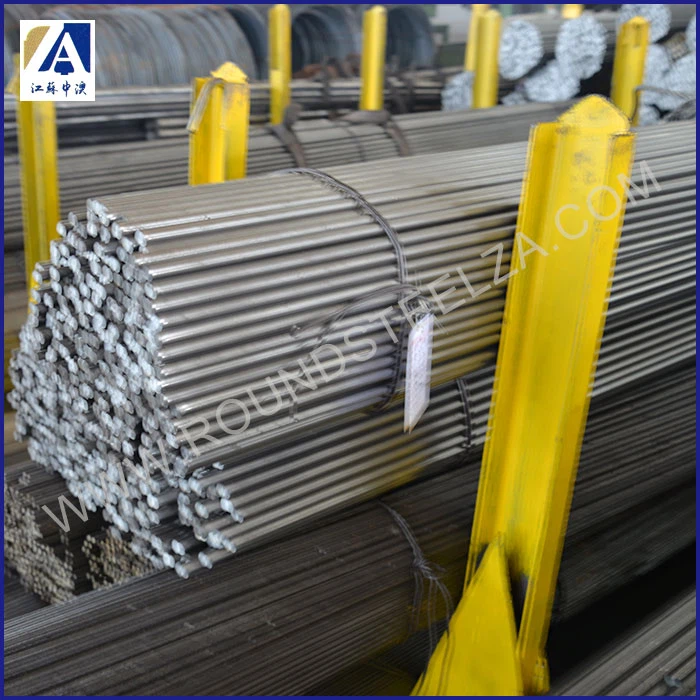
Cold drawn bearing steel, like Cold Drawn 52100 Bearing Steel Bar and GCr15 Cold Drawn Bearing Steel, has unique properties that make it suitable for bearings. The cold drawing process improves the dimensional accuracy, surface finish, and mechanical properties of the steel. But when it comes to induction hardening, achieving uniformity can be a challenge.
Factors Affecting the Uniformity of Induction Hardening
There are several factors that can impact the uniformity of induction hardening in cold drawn bearing steel.
- Material Homogeneity: The uniformity of the chemical composition and microstructure of the cold drawn bearing steel is essential. Any variations in the carbon content, for example, can lead to inconsistent hardening results. Before starting the induction hardening process, it's important to ensure that the steel has a uniform composition and microstructure. This can be achieved through proper melting, casting, and cold drawing processes.
- Frequency Selection: The frequency of the induction current plays a significant role in the depth of hardening and the uniformity of the hardness distribution. Lower frequencies penetrate deeper into the steel, while higher frequencies result in a shallower hardening depth. Choosing the right frequency depends on the specific requirements of the bearing, such as the desired hardening depth and the size of the component. For smaller bearings, higher frequencies may be more appropriate to ensure a uniform surface hardening, while larger bearings may require lower frequencies for deeper penetration.
- Coil Design: The design of the induction coil is crucial for achieving uniform heating. The coil should be designed to fit the shape and size of the bearing steel precisely. Any gaps or irregularities between the coil and the steel can cause uneven heating, leading to non - uniform hardening. Additionally, the coil should be able to provide a uniform magnetic field around the steel. This may require the use of custom - designed coils with specific geometries and winding configurations.
- Quenching Process: The quenching process is just as important as the heating process. Rapid and uniform quenching is necessary to achieve the desired hardness and microstructure. The choice of quenching medium, such as water, oil, or polymer solution, depends on the steel composition and the required cooling rate. It's also important to ensure that the quenching medium flows uniformly around the steel during the quenching process. Any stagnant areas or uneven flow can result in non - uniform cooling and hardness variations.
Strategies for Ensuring Uniformity
Now that we know the factors that affect the uniformity of induction hardening, let's look at some strategies to ensure a more uniform result.
1. Quality Control of Raw Materials
As a supplier, I always make sure that the cold drawn bearing steel we provide meets the highest quality standards. We conduct thorough chemical analysis and microstructure examination to ensure the uniformity of the material. This helps our customers start the induction hardening process with a consistent base material, which is half the battle won.
2. Precise Process Control
- Frequency Optimization: We work closely with our customers to determine the optimal frequency for their specific induction hardening requirements. This involves conducting tests and simulations to find the right balance between the hardening depth and the uniformity of the hardness distribution.
- Coil Customization: We offer custom - designed induction coils to our customers. Our engineers use advanced design software to create coils that fit the exact shape and size of the bearing steel. This ensures a uniform magnetic field and consistent heating during the induction hardening process.
- Quenching System Design: We also provide guidance on the design of the quenching system. This includes selecting the appropriate quenching medium and ensuring a uniform flow of the medium around the steel. We may recommend the use of agitation systems or special quenching fixtures to improve the uniformity of cooling.
3. Monitoring and Feedback
During the induction hardening process, it's important to monitor the key parameters such as temperature, power, and quenching time. This can be done using sensors and monitoring equipment. By continuously monitoring these parameters, we can detect any deviations from the desired values and make adjustments in real - time. Additionally, we encourage our customers to provide feedback on the hardening results. This feedback helps us improve our processes and ensure better uniformity in future production runs.

Case Studies
I'd like to share a couple of case studies to illustrate how these strategies have worked in real - world scenarios.
One of our customers was manufacturing small - sized bearings using Cold Drawn 52100 Bearing Steel Bar. They were experiencing non - uniform hardening, which was affecting the performance of the bearings. After analyzing the situation, we recommended using a higher frequency induction heating system and a custom - designed coil. We also helped them optimize the quenching process by suggesting a polymer - based quenching medium and a proper agitation system. As a result, the customer was able to achieve a more uniform hardness distribution, and the quality of their bearings significantly improved.
Another customer was using GCr15 Cold Drawn Bearing Steel for medium - sized bearings. They were facing issues with inconsistent hardening depths. We worked with them to adjust the frequency of the induction current and fine - tune the coil design. We also provided them with a detailed quenching protocol. After implementing these changes, the customer saw a remarkable improvement in the uniformity of the hardening depth, leading to better - performing bearings.
Conclusion
Ensuring the uniformity of induction hardening in cold drawn bearing steel is a complex but achievable goal. By paying attention to the material homogeneity, frequency selection, coil design, and quenching process, and implementing precise process control and monitoring, we can significantly improve the quality and performance of the bearings.
If you're in the market for high - quality cold drawn bearing steel or need help with your induction hardening process, don't hesitate to reach out. We're here to provide you with the best solutions and support to meet your needs. Let's start a conversation and see how we can work together to take your bearing production to the next level.