

Can cold drawn round steel be welded easily?
Jan 02, 2026
Hey there, fellow steel enthusiasts! As a supplier of cold drawn round steel, I often get asked the question, “Can cold drawn round steel be welded easily?” Well, let's dive right into this topic and shed some light on it.
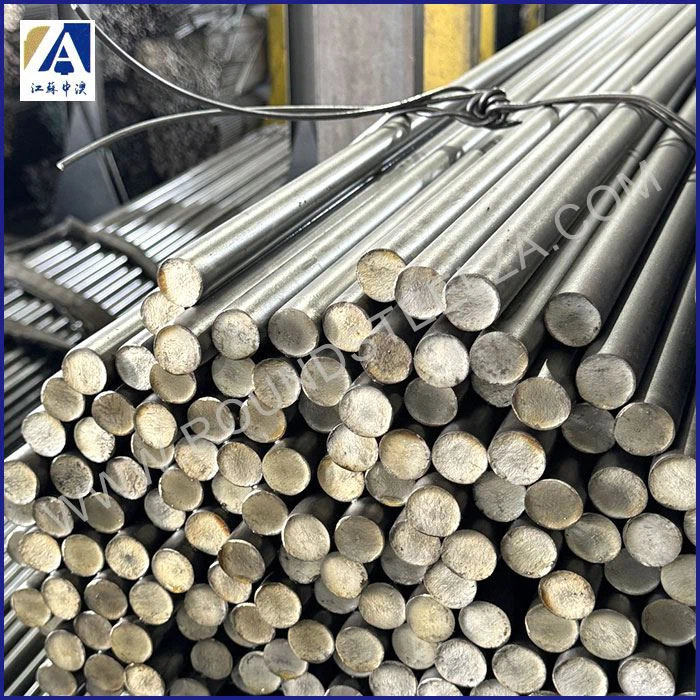
First off, let's understand what cold drawn round steel is. Cold drawing is a process where steel is pulled through a die at room temperature. This gives the steel a more precise dimension, a smoother surface finish, and improved mechanical properties compared to hot - rolled steel. It's used in a variety of applications, from automotive parts to construction projects.
Okay, back to the question of welding. In general, cold drawn round steel can be welded, but whether it's “easy” depends on several factors.
Material Composition
One of the main things that affects weldability is the material's composition. Different grades of cold drawn round steel have different alloying elements, and these can have a big impact on how well the steel can be welded. For example, 1040 Cold Drawn Alloy Steel Bar contains certain alloys that might influence its welding characteristics. This type of steel has a carbon content that, if not properly managed during welding, could lead to issues like cracking.
The carbon content in steel is crucial. High - carbon steels tend to be harder but are more difficult to weld because carbon can cause the weld area to become brittle. On the other hand, lower - carbon steels like Mild Steel Round Engineering Bars are generally more weld - friendly. Mild steel has a relatively low carbon content, usually up to about 0.25%. This means it has less tendency to form hard and brittle zones during welding, making it a good choice for projects where welding is a major requirement.
Surface Condition
The surface condition of cold drawn round steel also plays a role in welding ease. Cold drawing gives the steel a smooth surface, which is great in many ways. However, if there are any contaminants on the surface, like oil, grease, or rust, it can cause problems during welding. These contaminants can create porosity in the weld, which weakens the joint.
Before welding, it's important to clean the surface of the steel properly. You can use solvents to remove oil and grease, and a wire brush or sandpaper to get rid of any rust. This extra step might seem like a hassle, but it's really important for getting a good weld.
Welding Process
The choice of welding process matters a lot. There are several welding processes available, such as shielded metal arc welding (SMAW), gas metal arc welding (GMAW), and tungsten inert gas welding (TIG). Each process has its own advantages and disadvantages when it comes to welding cold drawn round steel.
SMAW, also known as stick welding, is a popular and relatively simple process. It can be used on a variety of steel thicknesses and is portable. However, it might not be the best choice for achieving a very precise and clean weld on cold drawn round steel, especially if the steel has a thin wall thickness.
GMAW, or MIG welding as it's often called, uses a consumable wire electrode and a shielding gas. It's a faster process compared to SMAW and can produce high - quality welds. This is a great option for welding cold drawn round steel, especially in a production environment where speed is important.
TIG welding uses a non - consumable tungsten electrode and is known for its precision. It can produce clean and strong welds on cold drawn round steel, but it requires a higher level of skill. TIG welding is often used for projects where the appearance and quality of the weld are crucial, like in some decorative applications or in the aerospace industry.
Pre - heating and Post - heating
For some types of cold drawn round steel, pre - heating and post - heating can make a big difference in the welding process. When we pre - heat the steel before welding, we're basically reducing the temperature difference between the base metal and the weld, which helps to prevent cracking. This is especially important for high - carbon or alloy steels.
Post - heating is also important, especially for larger weldments. It helps to relieve the internal stresses that build up during welding. By slowly cooling the welded area, we can reduce the risk of cracking and improve the overall quality of the weld. For example, SAE 1045 Carbon Steel Round Bar might require pre - heating and post - heating to ensure a successful weld.
Tips for Easy Welding
If you want to make the welding process of cold drawn round steel as easy as possible, here are some tips:
- Choose the right welding process for the specific grade of steel you're using. Do some research or consult with a welding expert if you're not sure.
- Always clean the surface of the steel thoroughly before welding. This will help to prevent any defects in the weld.
- Pay attention to the welding parameters, such as the current, voltage, and travel speed. These can have a big impact on the quality of the weld.
- If necessary, use pre - heating and post - heating techniques. This might add some time to the welding process, but it can save you a lot of headaches in the long run.
Conclusion
So, can cold drawn round steel be welded easily? The answer is that it can be, but it depends on multiple factors like material composition, surface condition, welding process, and whether pre - heating and post - heating are needed. With the right knowledge and techniques, you can achieve high - quality welds on cold drawn round steel.
As a cold drawn round steel supplier, I'm here to help you with any questions you might have about the welding of our products. Whether you're working on a small DIY project or a large industrial application, we have the right steel for you. If you're interested in purchasing our cold drawn round steel or need more information about welding it, don't hesitate to reach out. Let's start a conversation and see how we can work together to make your project a success.

References
- “Welding Metallurgy and Weldability of Stainless Steels” by John C. Lippold.
- “The Welding Handbook” published by the American Welding Society.